
Don't deny yourself pleasure. During pregnancy, use a lubricant to keep your intimate moments comfortable and safe.
Sex during pregnancy hides a little secret: for many women, it involves keeping a lubricant in the bedside drawer throughout all nine months. "Most women feel a natural need for extra vaginal lubrication," say gynecologists.
But every woman is unique, and the same hormonal changes during pregnancy may help maintain a constant level of lubrication in some, while hindering it in others. Thus, if you experience discomfort or dryness during sex, you simply need to use a lubricant. A 2010 study conducted by the University of Indiana (USA) found that about 2,500 women reported that using lubricant during sex provided them with significantly more satisfaction and enjoyment.
Your best option is a natural water-based lubricant. Its advantages: it glides smoothly, is safe, and carries no risk of irritation or infection. Natural ingredients gently care for intimate areas. Disadvantages: since it is absorbed by the skin and mucous membranes, you may need to apply a little more lubricant during use.

The short answer is no, as the cervix is tightly closed, which completely eliminates the risk of any fluid reaching the amniotic space.
We recommend that pregnant women avoid lubricants containing glycerin, parabens, fragrances, dyes, menthol, etc., as the mucous membranes absorb up to 60% of the substances you apply to them. A woman carrying a baby should not take risks, so it’s better to opt for safer lubricants made from natural ingredients. Definitely avoid lubricants that contain additives for enhanced pleasure (these may cause irritation). Such lubricants can have a stronger and even unpleasant effect on delicate tissues than you might expect. It’s best to steer clear of lubricants with flavoring additives, especially those containing sugar, as sugar increases the risk of yeast infections. While silicone-based lubricants are generally not prohibited, they can affect the pH balance of your vagina and increase the risk of infection.
If you’ve used other substances with lubricating properties (like petroleum jelly, baby cream, or regular moisturizing cream), refrain from using them not only during pregnancy but afterward as well. These types of lubricants do not allow the skin to breathe properly and can cause irritation or allergic reactions.
Here’s a short answer: use a natural lubricant! Natural lubricants are more easily accepted by the body and cause no harm to a pregnant woman. Make sure the product doesn’t contain any of the harmful ingredients mentioned above. It’s best to choose a water-based lubricant, ensuring it is glycerin-free.

Lubricant is especially needed after the baby is born, as many women, particularly breastfeeding mothers, experience increased vaginal dryness and pain during sex. This is often related to low estrogen levels, which return to normal as soon as the woman stops breastfeeding. Lubrication issues can also arise from emotional and physical factors related to childbirth.
What should you do? Buy a big tube of natural lubricant and keep it on hand!
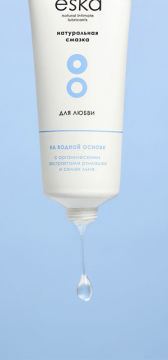 Eska - water-based lubricant, 75 ml
19,50 USD
Eska - water-based lubricant, 75 ml
19,50 USD
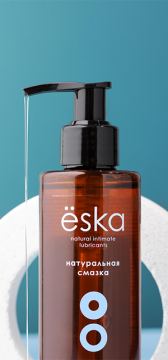 Eska - water-based lubricant, 200 ml
42,40 USD
Eska - water-based lubricant, 200 ml
42,40 USD
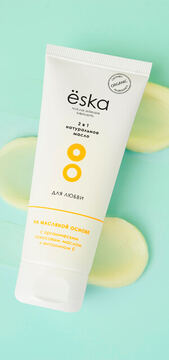 Eska - oil-based lubricant, 75 ml
23,10 USD
Eska - oil-based lubricant, 75 ml
23,10 USD
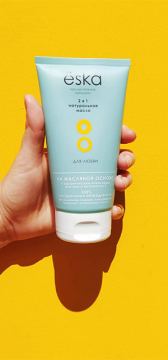 Popular
Eska - oil-based lubricant, 150 ml
38,90 USD
Popular
Eska - oil-based lubricant, 150 ml
38,90 USD
 New
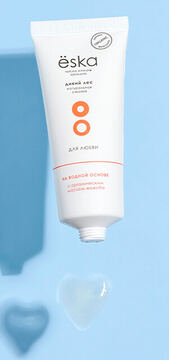
Eska - water-based lubricant Wild Forest, 75 ml
19,50 USD
New
Eska - water-based lubricant Wild Forest, 75 ml
19,50 USD
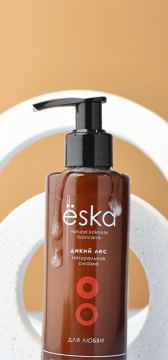 Eska - water-based lubricant Wild Forest, 200 ml
42,40 USD
Eska - water-based lubricant Wild Forest, 200 ml
42,40 USD
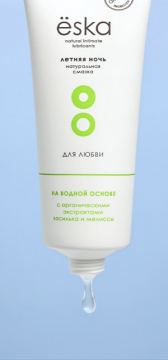 Eska - water-based lubricant Summer Night, 75 ml
19,50 USD
Eska - water-based lubricant Summer Night, 75 ml
19,50 USD
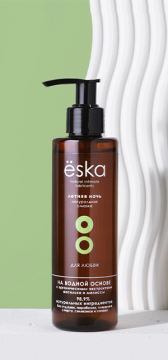 Eska - water-based lubricant Summer Night, 200 ml
42,40 USD
Eska - water-based lubricant Summer Night, 200 ml
42,40 USD
 New
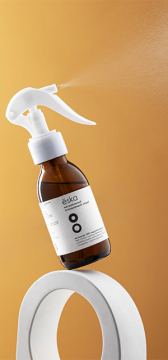
Eska - spray for cleaning and disinfecting sex toys
15,90 USD
New
Eska - spray for cleaning and disinfecting sex toys
15,90 USD


 +375 29 614 82 94
  eskalube
 info@eskalube.by